Best overall: Nongshim Shin Black is the best instant ramen for most people because it has a deeper broth than standard budget packets, chewy noodles, and enough spice to feel exciting without turning the bowl into a stunt. Best spicy pick: Samyang Buldak Original is the one to buy when you want dry, saucy, extra-hot Korean noodles. Best classic budget pick: Maruchan Chicken still wins for cheap pantry ramen. Best cup ramen: Maruchan Instant Lunch Chicken is the easiest dorm, office, or “I need food in three minutes” option.
Instant ramen is not one single thing. Packet ramen, cup noodles, Korean ramyun, Japanese-style ramen kits, Thai tom yum noodles, Taiwanese dry noodles, and stir-fried/saucy noodles all behave differently. Some are built around broth. Some are built around noodle chew. Some are mainly a delivery system for chili sauce. This guide ranks them by use case so you can buy the right kind of instant noodles for how you actually eat.
Affiliate note: The Kitchen Professor may earn a commission when you buy through links on this page. That does not change which products we include, and we do not recommend products only because they have an affiliate link.

Best Instant Ramen at a Glance
| Pick | Best for | Style | Spice level | Prep time | Why it stands out |
|---|---|---|---|---|---|
| Nongshim Shin Black | Best overall | Korean ramyun soup | 3/5 | 4–5 minutes | Richer broth and better depth than most basic packets |
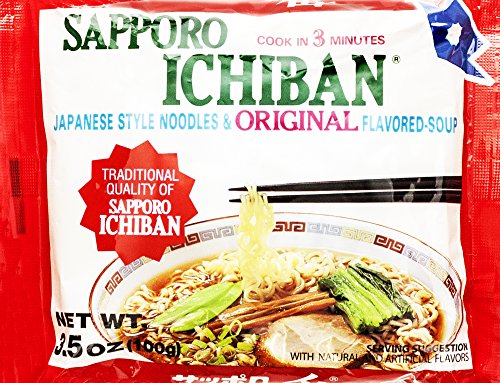
| Sapporo Ichiban Original | Best classic packet ramen | Japanese-style soup packet | 0/5 | 3 minutes | Balanced, familiar, and easy to upgrade |
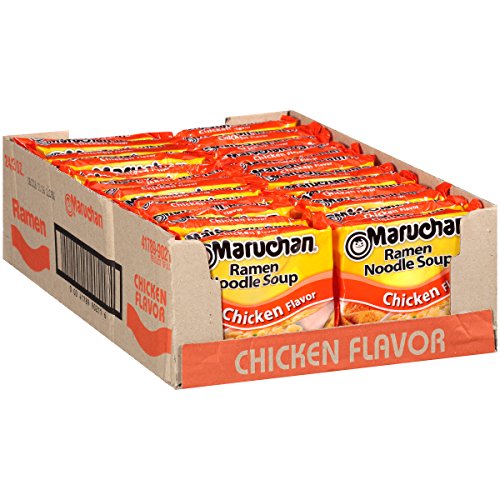
| Maruchan Chicken | Best budget ramen | Classic packet soup | 0/5 | 3 minutes | Cheap, available, and reliable for pantry meals |
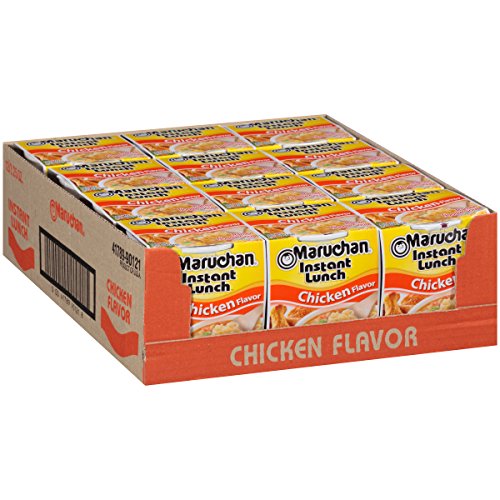
| Maruchan Instant Lunch Chicken | Best cup ramen | Cup noodle soup | 0/5 | 3 minutes | Just add hot water; great for dorms and offices |
| Nongshim Shin Ramyun | Best spicy soup ramen | Korean ramyun soup | 3/5 | 4–5 minutes | Classic spicy broth with chewy noodles and strong add-in potential |
| Samyang Buldak Original | Best extra-spicy ramen | Korean stir-fried dry noodles | 5/5 | 5 minutes | Very hot, saucy, and built for spice lovers |
| Samyang Buldak Carbonara/Cheese | Best creamy spicy ramen | Korean dry noodles | 4/5 | 5 minutes | Creamier sauce softens the heat without removing the kick |
| MAMA Tom Yum Shrimp | Best Thai-style ramen | Thai tom yum soup noodles | 2/5 | 3 minutes | Bright, sour, spicy, and more aromatic than basic chicken ramen |
| Indomie Mi Goreng | Best dry/saucy instant noodles | Indonesian fried-style noodles | 2/5 | 4–5 minutes | Sweet, savory, saucy, and excellent with a fried egg |
| Nissin RAOH Tonkotsu | Best premium Japanese-style packet | Japanese-style tonkotsu ramen | 1/5 | 4–5 minutes | More premium noodle texture and a richer broth style |
| Dr. McDougall’s Vegan Ramen Chicken Soup | Best vegan cup ramen | Vegan cup soup | 0/5 | 4 minutes | Plant-based, convenient, and hot-water friendly |
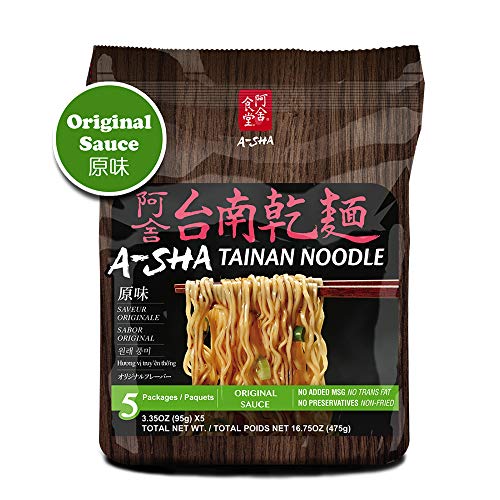
| A-Sha Tainan Original | Best air-dried noodle option | Taiwanese dry noodles | 0/5 | 3–4 minutes | Air-dried noodles with a chewy, less greasy texture |
How We Chose These Instant Ramen Picks
This is a researched editorial update rather than a new physical taste test. We compared flavor profile, noodle style, ingredient and nutrition labels where available, preparation method, availability, value, and long-term user feedback. The goal is not to crown only the fanciest noodle. It is to match each instant ramen to the situation where it makes the most sense.
We looked at seven practical factors:
- Noodle texture: Does the noodle stay springy, or does it collapse into mush?
- Broth or sauce depth: Is the flavor salty and flat, or does it have layers from spice, aromatics, fat, acidity, or umami?
- Ease of preparation: Can you make it with only hot water, or does it need draining and stir-frying?
- Add-in potential: Does it improve with egg, vegetables, tofu, chicken, chili crisp, sesame oil, or mushrooms?
- Value and availability: Can a typical shopper actually find it without paying a ridiculous per-pack price?
- Dietary notes: Is it vegan, vegetarian, halal, seafood-based, or likely to contain common allergens?
- Sodium awareness: Is it easy to use less seasoning, compare labels, or avoid drinking all the broth?

The Best Instant Ramen, Ranked by Use Case
Best Overall Instant Ramen: Nongshim Shin Black
Nongshim Shin Black is the best overall instant ramen because it gives you the biggest jump in flavor quality without turning into a specialty-only splurge. Compared with basic budget ramen, the broth tastes fuller and rounder, while the noodles keep the springy chew that makes Korean ramyun so satisfying.
Spice level: 3/5. It is clearly spicy, but it is still more of a meal than a heat challenge.
Why it works: Shin Black uses the same general spicy Korean ramyun idea as classic Shin Ramyun, but the broth has more body. That matters because instant ramen is basically a race between salt, fat, starch, and aroma. When the broth has enough body, the bowl tastes less like “hot salty water” and more like soup.
Watch-outs: It is not the cheapest ramen in this guide. It is also too spicy for people who want a mild noodle soup. As with most instant ramen, check the sodium on the current package and adjust the seasoning if needed.
Best upgrades: Soft-boiled egg, sliced scallions, mushrooms, a little sesame oil, or a handful of spinach stirred in during the last minute.
Who should buy it: Anyone who wants one default “good instant ramen” to keep in the pantry.
Who should skip it: Anyone who dislikes spicy broth or wants the absolute cheapest possible packet.
Best Classic Packet Ramen: Sapporo Ichiban Original
Sapporo Ichiban Original is the classic packet ramen pick for people who want a mild, balanced bowl that does not need to be spicy to taste good. It is simple, quick, and more rounded than many bargain-bin chicken packets.
Spice level: 0/5. This is a mild ramen and a good choice for people who do not want heat.
Why it works: Mild ramen lives or dies by balance. If there is no chili heat to distract you, the seasoning has to carry the bowl without becoming harsh. Sapporo Ichiban is useful because it gives you a dependable base for toppings without fighting them.
Watch-outs: It is still packaged ramen, so do not expect restaurant-level broth. It can also taste plain if you eat it with no toppings and use too much water.
Best upgrades: Egg, scallions, corn, butter, rotisserie chicken, or a splash of toasted sesame oil.
Who should buy it: People who want a classic, non-spicy ramen packet that works as a blank canvas.
Who should skip it: Heat seekers and anyone who wants a dense tonkotsu-style broth.
Best Budget Ramen: Maruchan Ramen Noodle Soup, Chicken Flavor
Maruchan Chicken is the budget ramen standard for a reason. It is cheap, easy to find, fast to cook, and familiar. It is not the most complex ramen here, but it is the one many people actually keep in the pantry for quick lunches, late-night bowls, and college meals.
Spice level: 0/5. It has no meaningful chili heat.
Why it works: The noodle block cooks quickly, and the chicken seasoning gives you a salty, savory base that is easy to modify. From a kitchen-science angle, the key is not to overcook it. Three minutes is enough for most people. Longer cooking makes the starches swell too much, which turns the noodles soft and floppy.
Watch-outs: The broth is salty and simple. Use less of the seasoning packet if sodium is a concern, and add flavor back with acid, herbs, chili crisp, garlic, or sesame oil.
Best upgrades: Frozen peas, corn, egg, leftover chicken, American cheese, or hot sauce.
Who should buy it: Anyone stocking a cheap pantry, dorm room, emergency food shelf, or quick-lunch stash.
Who should skip it: Anyone looking for a premium noodle texture or deep broth complexity.
Best Cup Ramen: Maruchan Instant Lunch Chicken Flavor
Maruchan Instant Lunch Chicken is the easiest ramen in this guide. Add hot water, wait a few minutes, and eat. It is not the most gourmet option, but for offices, dorm rooms, hotel rooms, and busy lunches, convenience matters.
Spice level: 0/5. This is a mild cup noodle.
Why it works: Cup ramen trades noodle quality for speed. The noodles are thinner and softer than most packet ramen, but the built-in cup means you do not need a pot, bowl, strainer, or stove. That is why this pick belongs in a different category from the packet noodles.
Watch-outs: You usually cannot control the seasoning level as precisely as you can with packet ramen because everything is already in the cup. The noodles also soften quickly, so do not let it sit too long.
Best upgrades: Scallions, chili crisp, a squeeze of lime, frozen vegetables, or a spoonful of peanut butter for a quick satay-style twist.
Who should buy it: Students, office workers, travelers, and anyone who wants ramen with only hot water.
Who should skip it: Anyone who has access to a stove and cares most about noodle texture.
For a dorm setup, pair cup ramen with a simple hot-water station. We have a separate guide to the best electric kettle for dorm rooms, and a kettle is usually the cleanest way to make cup noodles without dragging out cookware.
Best Spicy Soup Ramen: Nongshim Shin Ramyun
Nongshim Shin Ramyun is the classic spicy Korean ramyun pick. It is bolder than mild Japanese-style packets, easier to find than many specialty imports, and strong enough to handle toppings without getting diluted.
Spice level: 3/5. Spicy, but not as extreme as Buldak-style dry noodles.
Why it works: Shin Ramyun has chewy noodles and a spicy broth base that stands up to extra ingredients. That makes it one of the best instant ramen options for turning a packet into a real meal. Add vegetables and protein, and it still tastes like Shin instead of becoming watered-down soup.
Watch-outs: It is too hot for some mild-palate eaters. Start with part of the soup base if you are sensitive to spice or sodium.
Best upgrades: Bok choy, mushrooms, scallions, egg, tofu, sliced beef, or a little American cheese for a creamy Korean-style convenience-food bowl.
Who should buy it: Anyone who wants a reliable spicy soup ramen that can become lunch or dinner.
Who should skip it: Anyone looking for vegan ramen, mild ramen, or a low-sodium meal.
Best Extra-Spicy Instant Ramen: Samyang Buldak Original
Samyang Buldak Original is the best extra-spicy instant ramen for people who want heat first. Unlike soup ramen, Buldak is cooked, mostly drained, and mixed with sauce, so the flavor hits harder and stays concentrated on the noodles.
Spice level: 5/5. This is challenge-level spicy for many eaters.
Why it works: Dry spicy noodles are intense because the sauce is not diluted into a full bowl of broth. The starch on the noodle surface helps the sauce cling, so every bite carries heat. If spicy soup ramen feels too weak, this is the format you want.
Watch-outs: The heat can overpower the rest of the meal. Use less sauce the first time, especially if you have not tried Buldak before.
Best upgrades: Fried egg, shredded cheese, scallions, sesame seeds, cucumber, or a squeeze of lime.
Who should buy it: Spice lovers who want a hot, saucy, dry noodle bowl.
Who should skip it: Anyone who wants a mild ramen, a broth bowl, or a casual snack that will not set off alarms.
Best Creamy Spicy Ramen: Samyang Buldak Carbonara/Cheese
Samyang Buldak Carbonara and Cheese are the best creamy spicy picks because they keep the Buldak heat but round it out with a richer sauce profile. Think of this as the “I want spicy, but I also want comfort food” version.
Spice level: 4/5. Still hot, but creamier and less sharp than the original Buldak.
Why it works: Fat and dairy-style flavors soften the perception of chili heat. That does not make the noodles mild, but it changes the heat curve. Instead of only sharp burn, you get a creamy, salty, spicy sauce that clings to thick noodles.
Watch-outs: These are still spicy. The creamy profile can also taste heavy if you add too much cheese or cook off too much moisture.
Best upgrades: Mozzarella, fried egg, scallions, corn, or a small splash of milk during the final stir.
Who should buy it: People who like spicy noodles but want a creamier, more forgiving sauce.
Who should skip it: Anyone who dislikes rich sauces or wants a clean broth-based ramen.
Best Thai-Style Instant Ramen: MAMA Tom Yum Shrimp
MAMA Tom Yum Shrimp is the best Thai-style pick because it gives you a different flavor profile from the usual chicken, beef, or spicy Korean packets. It is bright, sour, salty, spicy, and aromatic.
Spice level: 2/5 if you use the chili packet lightly, closer to 3/5 if you use everything.
Why it works: Tom yum-style noodles lean on acidity and aromatics, not only salt. That little sour edge wakes up the broth and makes the bowl feel lighter than a rich ramyun or creamy tonkotsu-style packet.
Watch-outs: This is a shrimp-flavored product, so it is not appropriate for people avoiding seafood. It also has a thinner noodle texture than some Korean ramyun picks.
Best upgrades: Lime, cilantro, mushrooms, shrimp, tofu, or a few drops of fish sauce if you want a stronger savory note.
Who should buy it: Anyone who wants instant noodles that taste bright, sour, and spicy instead of only salty.
Who should skip it: Anyone who wants a thick, chewy noodle or needs a seafood-free option.
Best Dry/Saucy Instant Noodles: Indomie Mi Goreng
Indomie Mi Goreng is not soup ramen. That is exactly why it belongs here. It is a dry, Indonesian-style instant noodle with sweet, savory, garlicky, slightly spicy sauce packets. When you want instant noodles that eat more like a stir-fried noodle dish than a soup bowl, this is the pick.
Spice level: 2/5. Warm and flavorful, but not extreme.
Why it works: Because the noodles are drained before saucing, the seasonings stay concentrated. The sweet-savory sauce also loves toppings. A fried egg on Indomie is one of the highest effort-to-reward upgrades in the instant noodle world.
Watch-outs: It is not a broth bowl, so it will disappoint anyone who specifically wants soup. It also includes multiple packets, so pay attention when mixing the sauce if you are trying to control sweetness, sodium, or heat.
Best upgrades: Fried egg, scallions, fried shallots, cucumber, chili crisp, or leftover chicken.
Who should buy it: People who like saucy noodles and want something more interesting than basic chicken ramen.
Who should skip it: Anyone who wants classic Japanese-style ramen broth.
Best Premium Japanese-Style Packet: Nissin RAOH Tonkotsu
Nissin RAOH Tonkotsu is the best premium Japanese-style packet for people who want a better noodle and broth experience without jumping all the way to expensive restaurant-branded kits. It is still instant ramen, but it feels more deliberate than a basic brick of noodles and powder.
Spice level: 1/5. Mild, with richness rather than heat.
Why it works: Tonkotsu-style instant ramen needs body. Thin, watery broth makes the whole bowl feel fake. A better premium packet gives you a richer base and a more satisfying noodle chew, especially if you cook the noodles carefully and avoid over-diluting the broth.
Watch-outs: It costs more than basic ramen, and the flavor still depends heavily on how much water you use. Too much water flattens the broth.
Best upgrades: Soft-boiled egg, scallions, sesame seeds, mushrooms, chashu-style pork, or tofu.
Who should buy it: People who want a more premium ramen packet for a weekend lunch or easy dinner.
Who should skip it: Anyone who wants the cheapest packet or a very spicy bowl.
Best Vegan Cup Ramen: Dr. McDougall’s Vegan Ramen Chicken Soup
Dr. McDougall’s Vegan Ramen Chicken Soup is the best vegan cup ramen pick for people who want a hot-water meal without animal-based broth. It is more of a light vegan noodle soup than a rich ramen-shop imitation, but it fills a useful niche.
Spice level: 0/5. Mild and comfort-food oriented.
Why it works: Vegan instant ramen can be tricky because many products that look meat-free still use animal-derived broth flavors. A clearly vegan cup removes the guesswork and works well for offices, dorms, travel, and quick lunches.
Watch-outs: It is not as rich as spicy Korean ramyun or tonkotsu-style ramen. If you want a fuller bowl, add fat, vegetables, and protein.
Best upgrades: Tofu, spinach, scallions, mushrooms, nutritional yeast, chili crisp, or a little sesame oil.
Who should buy it: Vegan or vegetarian eaters who want a simple cup noodle option.
Who should skip it: Anyone who wants a rich, spicy, meaty broth profile.
For a deeper ingredient check, see our guide on are ramen noodles vegan?. The short version: noodles may be vegan, but the seasoning packet often decides the answer.
Best Air-Dried Noodle Option: A-Sha Tainan Original
A-Sha Tainan Original is the best air-dried noodle option in this list. It is closer to a Taiwanese dry noodle than a classic soup ramen, but it deserves a spot because the noodle texture is different from standard fried instant noodles.
Spice level: 0/5. Mild and sauce-focused.
Why it works: Fried instant noodles get their quick-cooking convenience partly from the frying process. Air-dried noodles can feel less greasy and more elastic when cooked correctly. A-Sha is useful when you want instant noodles that feel more like a simple dry noodle bowl than a salty soup packet.
Watch-outs: The sauce can still taste salty if you use all of it, and the bowl may feel too simple without toppings.
Best upgrades: Tofu, cucumbers, scallions, sesame seeds, chili oil, sautéed mushrooms, or a jammy egg if you are not keeping it vegan.
Who should buy it: People who want a non-soup instant noodle with a cleaner, chewier bite.
Who should skip it: Anyone looking for a big bowl of broth or a budget bulk pack.
Also Considered
A few popular instant ramen products did not make the main 12, but they may still be worth buying depending on your goal.
- Ichiran Tonkotsu Ramen: A premium splurge if you specifically want an Ichiran-style kit. It can be excellent, but availability and price vary enough that Nissin RAOH is the easier default premium pick.
- Nissin Top Ramen Chicken: A classic budget alternative to Maruchan Chicken. Choose whichever is cheaper or easier to find.
- Nissin Cup Noodles Curry or Seafood: Great if you prefer Nissin cups over Maruchan cups, especially for curry or seafood flavor profiles.
- Prima Taste Laksa La Mian: A rich Singapore-style laksa option for people who want coconut, spice, and a bigger bowl, but it is usually more of a specialty buy than an everyday packet.
- Lotus Foods Rice Ramen: Worth considering if you need rice-based noodles, but it belongs in a separate dietary guide more than a general best instant ramen ranking.
How to Choose Instant Ramen
Packet Ramen vs. Cup Ramen
Packet ramen usually gives you better noodle texture and more control. You can boil the noodles, use less seasoning, add toppings during cooking, and choose how much broth you want. Cup ramen is less flexible but much more convenient. For a dorm, office, or hotel room, the ability to add hot water and eat directly from the cup is the whole point.
If you can use a stove, packet ramen is usually better. If you only have a kettle, cup ramen wins. For tiny kitchens, dorm rooms, or shared spaces, our guide to the best hot plate for boiling water can help if you want better packet ramen without a full stove.
Soup Ramen vs. Dry or Saucy Noodles
Soup ramen is built around broth. Dry noodles are built around sauce. That sounds obvious, but it changes everything. Soup ramen benefits from vegetables, mushrooms, eggs, and proteins that make the broth feel like a meal. Dry noodles benefit from toppings that add contrast: fried egg, cucumber, scallions, sesame seeds, crispy shallots, and chili oil.
Indomie and Buldak-style noodles should not be judged against Maruchan Chicken or Shin Black as if they are the same food. They are instant noodles, but they are not trying to do the same job.
Japanese-Style Ramen vs. Korean Ramyun vs. Thai and Taiwanese Noodles
Japanese-style instant ramen usually emphasizes broth style, noodle texture, and balance. Korean ramyun often brings chewier noodles, stronger spice, and a bolder soup base. Thai tom yum noodles lean brighter and more acidic. Taiwanese dry noodles, like A-Sha-style noodles, often focus on noodle chew and sauce instead of broth.
For background on traditional ramen styles, Japan Guide has a helpful overview of ramen broth, noodles, and regional differences at Japan Guide. Instant noodles are their own category, but the same basic ideas still matter: noodle shape, broth base, seasoning, and toppings all change the bowl.
Spice Level
Use this simple spice scale when choosing from this guide:
- 0/5: No heat. Good for kids, mild palates, and comfort-food bowls.
- 1/5: Mild warmth. Flavor-forward, not spicy.
- 2/5: Noticeable warmth. Most spice-tolerant adults will be fine.
- 3/5: Spicy. Expect heat, especially in broth.
- 4/5: Very spicy. Best for people who actively like hot food.
- 5/5: Challenge-level heat. Use less sauce the first time.
Sodium and Seasoning Packet Control
Many instant ramen products are high in sodium. The FDA says the Daily Value for sodium is less than 2,300 mg per day, and that 20% Daily Value or more per serving is considered high. You can read the FDA’s sodium guidance here: Sodium in Your Diet.
The practical move is simple: compare labels, use part of the seasoning packet, add unsalted vegetables or protein, and build flavor with acid, herbs, garlic, chili oil, sesame oil, scallions, mushrooms, or lime. If sodium is a concern, you can also avoid drinking all the broth. That is not medical advice, just a useful way to make instant ramen fit better into a normal day of eating.
Vegan and Vegetarian Considerations
Do not assume ramen is vegan just because the noodles look plain. The noodles may be wheat-based, but the seasoning packet can contain chicken, beef, seafood, dairy, or other animal-derived ingredients. Always check the current label. For a deeper breakdown, read our guide: are ramen noodles vegan?
Dorm and Office Cooking

For dorms and offices, the best ramen is the one you can cook safely with the tools you actually have. Cup noodles are the easiest. Packet noodles are better if you have a hot plate, microwave-safe bowl, or access to a kitchenette. Keep toppings simple: scallions, frozen vegetables, tofu, boiled eggs, rotisserie chicken, chili crisp, sesame oil, and shelf-stable sauces.
If you are building a college food setup, pair ramen with a few easy sides and snacks. Our guide to the best snacks for your mini fridge is a good companion for quick meals that do not require a full kitchen.
What Toppings Make Cheap Ramen Taste Better?

The fastest way to improve cheap ramen is to add contrast. Instant ramen is usually salty and soft, so toppings that add fat, freshness, crunch, protein, or acidity make the biggest difference.
- For protein: Egg, tofu, rotisserie chicken, shrimp, leftover steak, or edamame.
- For vegetables: Spinach, bok choy, mushrooms, corn, peas, cabbage, or scallions.
- For fat: Sesame oil, chili crisp, butter, cheese, or peanut butter.
- For acid: Lime, rice vinegar, lemon, or pickled vegetables.
- For crunch: Fried shallots, sesame seeds, crushed peanuts, or crispy garlic.
Instant Ramen FAQ
What is the best instant ramen overall?
Nongshim Shin Black is the best instant ramen overall for most people because it has chewy noodles, a fuller broth, and enough spice to feel interesting without being as extreme as Buldak-style dry noodles.
What is the best spicy instant ramen?
For spicy soup ramen, choose Nongshim Shin Ramyun. For extra-spicy dry noodles, choose Samyang Buldak Original. Shin Ramyun is better when you want broth. Buldak is better when you want concentrated heat and sauce.
What is the best instant ramen cup?
Maruchan Instant Lunch Chicken is the best simple cup ramen because it is inexpensive, widely available, and only needs hot water. If you want stronger flavor, look for Nissin Cup Noodles Curry or Seafood as alternatives.
What is the best instant ramen for people who do not like spicy food?
Sapporo Ichiban Original, Maruchan Chicken, Maruchan Instant Lunch Chicken, Dr. McDougall’s Vegan Ramen Chicken Soup, and A-Sha Tainan Original are the safest picks for people who do not want spicy ramen.
Is instant ramen bad for you?
Instant ramen is convenient, but many products are high in sodium and are not complete meals by themselves. You can make a better bowl by using less seasoning, adding vegetables, adding protein, and comparing Nutrition Facts labels. If you have a sodium-restricted diet or a medical condition, follow your clinician’s advice.
How can I make instant ramen taste better?
Add egg, scallions, mushrooms, spinach, corn, tofu, rotisserie chicken, chili crisp, sesame oil, lime, garlic, or a small amount of butter. The goal is to add protein, freshness, fat, acid, and texture so the bowl tastes less flat.
Are ramen noodles vegan?
Some ramen noodles are vegan, but many seasoning packets are not. Check the ingredient label for chicken, beef, seafood, dairy, eggs, and other animal-derived ingredients. Our full guide to are ramen noodles vegan? explains what to look for.
What is the difference between ramen and ramyun?
Ramen usually refers to Japanese noodle soup, while ramyun is the Korean instant noodle category. In practice, Korean ramyun often has chewier noodles, bolder seasoning, and more spice than many Japanese-style instant ramen packets.
Should I cook instant ramen on the stove or in the microwave?
The stove usually gives better texture because the water boils more consistently and you can control timing. The microwave is fine when convenience matters. For cups, follow the package directions; many cup noodles are designed for hot water rather than microwave cooking.
Can I use only half the seasoning packet?
Yes. Using half the seasoning packet is one of the easiest ways to reduce sodium and intensity. Add flavor back with scallions, garlic, chili oil, lime, mushrooms, sesame oil, herbs, or a small amount of soy sauce if you still need more savory flavor.
Final Verdict
If you only buy one instant ramen, make it Nongshim Shin Black. If you want classic non-spicy packet ramen, choose Sapporo Ichiban Original or Maruchan Chicken. If you want the easiest possible cup, choose Maruchan Instant Lunch Chicken. If you want heat, choose Shin Ramyun for spicy soup and Samyang Buldak Original for extra-spicy dry noodles.
The best bowl, though, is usually the one you upgrade. Instant ramen becomes dramatically better with one protein, one vegetable, one fat, and one fresh topping. That is the nerdy kitchen trick: do not only ask which packet is best. Ask what the packet is missing, then fix that.


Because Brock is the tallest member of the team at 6 foot 5 inches, when he’s not thinking about food, he’s eating his favorites: pizza, burgers, tacos and burritos. He's always experimenting with the latest kitchen gadgets and exploring new techniques in the kitchen.